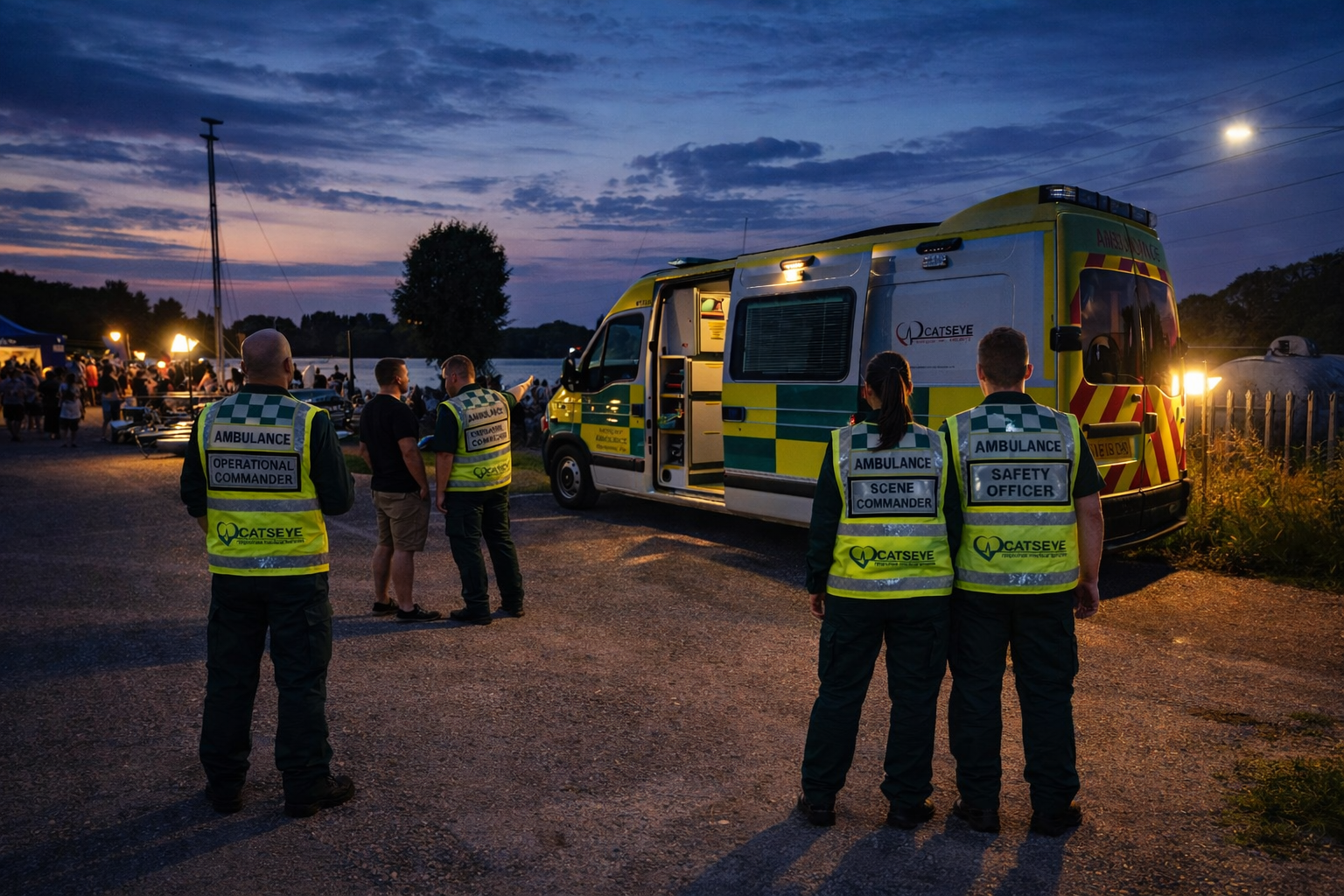
Martyn’s Law and Event Medical Provision
What It Means for Event Organisers and Medical Planning
The safety landscape for UK events is evolving. One of the most significant developments is Martyn’s Law, also known as the Protect Duty. While the legislation places legal responsibilities on venues and event organisers, it also has important implications for event medical provision.
At Catseye Response Medical Services, we are already aligned with the principles behind Martyn’s Law and are well placed to support clients as expectations around preparedness, resilience, and response continue to increase.
What Is Martyn’s Law?
Martyn’s Law is proposed UK legislation developed following the Manchester Arena attack in 2017. Its aim is to ensure that those responsible for publicly accessible venues and events take reasonable and proportionate steps to reduce the risk of terrorism and to improve their preparedness should an incident occur.
The law introduces:
A statutory duty to consider terrorist threats
Proportionate protective and preparedness measures
A tiered approach based on event size and risk
For event organisers, this means greater emphasis on planning and assurance. For medical providers, it reinforces the need for robust major incident capability and close integration with event safety structures.
Why Event Medical Services Matter Under Martyn’s Law
Event medical teams are no longer viewed solely as a response to illness or accidental injury. Under Martyn’s Law, professional medical provision forms a core part of an event’s resilience and emergency response capability.
Well-planned, clinically led medical services play a critical role in:
Early life-saving intervention
Managing mass casualty incidents
Supporting multi-agency response
Maintaining command and control during high-pressure situations
This is an area where experienced providers add significant value.
Medical Planning for a Martyn’s Law Environment
Major Incident and Mass Casualty Readiness
Martyn’s Law increases the focus on preparedness for intentional acts, including hostile attacks. Medical plans should clearly address:
Blast, ballistic, burn, and crush injuries
Rapid triage and prioritisation
Casualty Clearing Station (CCS) design and operation
Liaison with NHS ambulance services and trauma networks
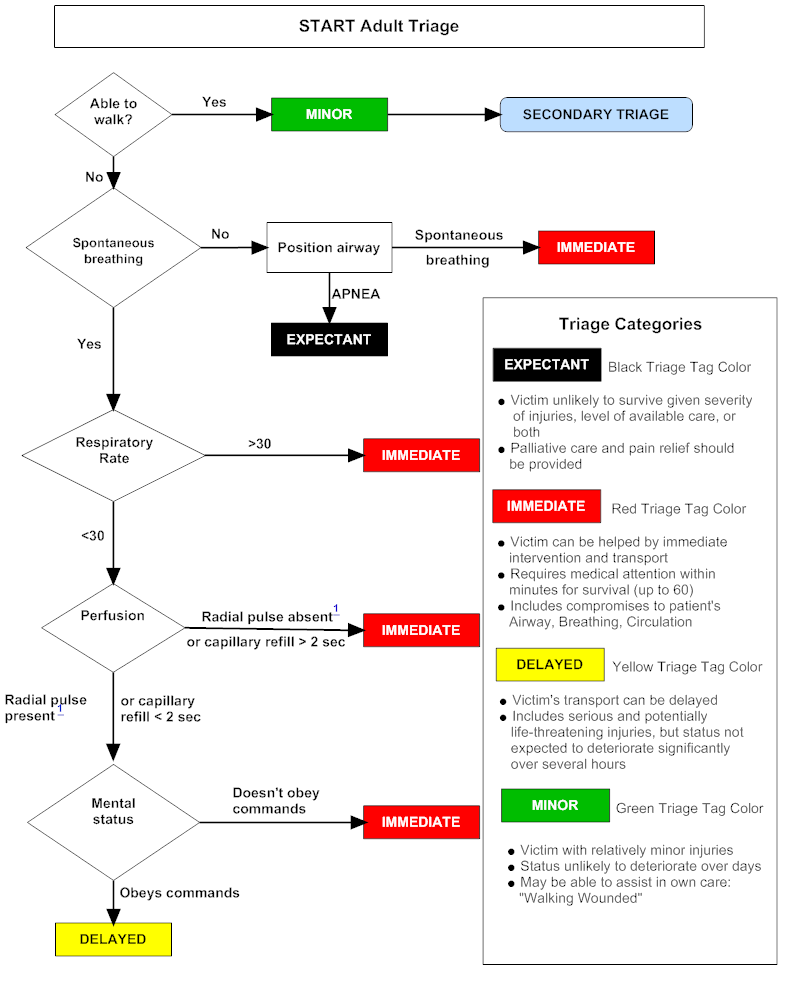
Catseye Response Medical Services incorporates these considerations into event medical planning where appropriate, ensuring readiness without compromising routine care delivery.
Command, Control, and Integration
Effective response relies on clear command structures. Under Martyn’s Law, medical teams must be fully integrated into the wider event safety framework, including:
Defined medical leadership roles
Alignment with Gold, Silver, and Bronze command structures
Direct communication with event control and security teams
This ensures that medical decision-making supports overall incident objectives, including casualty survival and scene safety.
Training and Clinical Competence
Martyn’s Law does not mandate specific qualifications, but it does raise expectations around training, competence, and preparedness.
Event medical teams should be trained in:
Recognising hostile threat indicators
Operating safely in dynamic environments
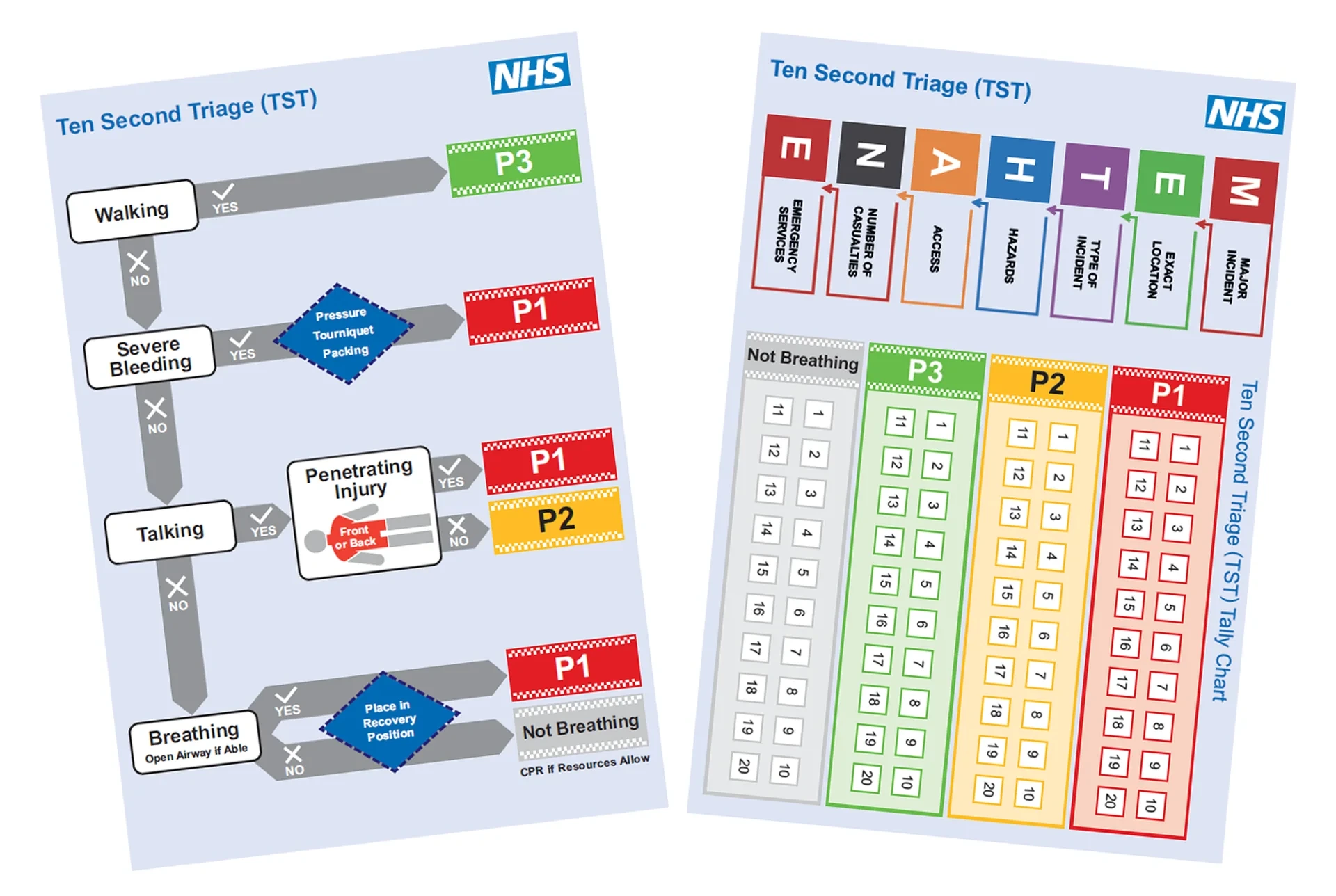
Triage in major incident scenarios
Catastrophic haemorrhage control
Catseye maintains a strong focus on ongoing training and professional development, ensuring our clinicians are prepared to operate confidently in both routine and high-risk situations.
Documentation and Assurance for Event Organisers
For larger or higher-risk events, organisers may need to demonstrate compliance with Martyn’s Law. Medical providers may be asked to supply:
Major incident and mass casualty plans
Evidence of integration with the event safety plan
Training and exercise records
Post-event debrief and learning processes
Choosing an experienced medical provider helps event organisers demonstrate that medical provision is robust, professional, and aligned with emerging legislative expectations.
How Catseye Response Medical Services Supports Clients
Catseye Response Medical Services already works in line with the principles underpinning Martyn’s Law by providing:
Clinically led, risk-based event medical planning
Clear command and governance structures
Strong liaison with event safety and security teams
A focus on major incident readiness alongside high-quality routine care
As Martyn’s Law comes into force, we will continue to support clients by ensuring medical provision contributes meaningfully to safer, more resilient events.
Speak to Our Team
If you would like to discuss how your event medical provision aligns with Martyn’s Law, or how Catseye can support your planning and compliance, please contact our team to start the conversation.